
When we think about soil fertility, we usually think about chemistry: nitrogen, phosphorus, potassium, pH. But a mineral analysis tells only half the story. The other half — the one that decides whether those nutrients actually reach the plant — is biological.
A gram of healthy soil holds billions of bacteria, fungi, protozoa and nematodes. That microbial community is what releases nutrients, fixes nitrogen, breaks down organic matter and protects roots. A soil can look nutrient-rich on paper and still deliver little to the plant, if the life that mobilizes those nutrients is missing.
The fertility a mineral test can’t see
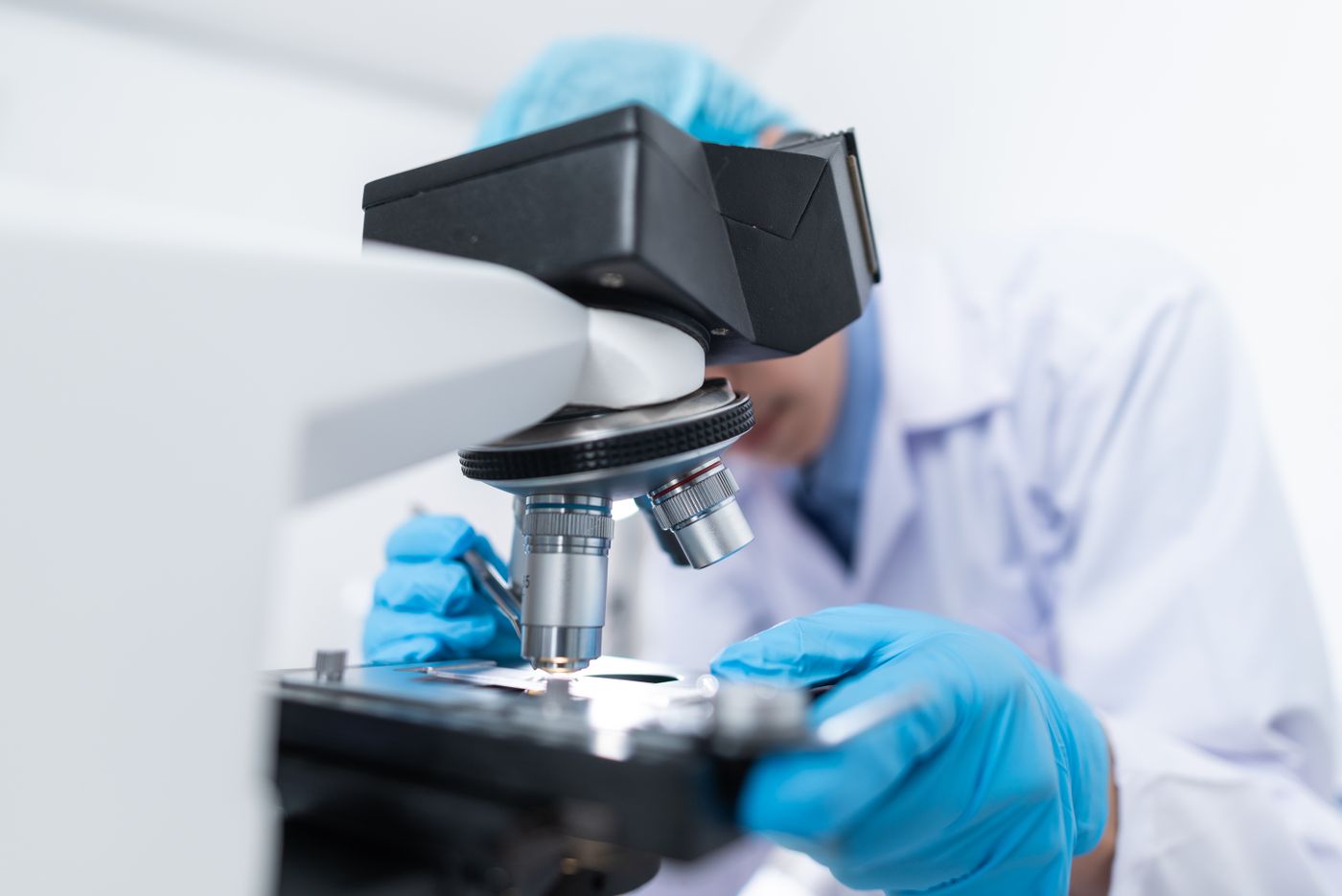
Microbiological analysis looks at what the mineral test cannot: the abundance and balance of beneficial versus harmful organisms. An imbalance — excess pathogens, missing mycorrhizal fungi, low biological activity — explains problems a traditional fertilization plan never solves, because it is treating the wrong symptom.
Measuring that biology enables different decisions: biostimulate instead of only fertilizing, correct the soil environment instead of forcing it with inputs.
Regenerative agriculture, with evidence
The ecosuelo method starts from a simple idea: living soil works for you. Rather than pushing the system with more chemistry, the goal is to restore biological activity so the soil itself mobilizes its nutrients. But "regenerating" without measuring is faith, not agronomy. Microbiology turns that intention into data: medium biological activity, recommended biostimulation focus, tracked season after season.
Crossed with mineral analysis, sap analysis and crop monitoring, soil biology completes the diagnosis. It is not a separate service: it is the missing piece to understand why your crop behaves the way it does. Because soil is not an inert substrate where you drop fertilizer. It is alive — and that life decides your harvest.